How to Compare Business Insurance Quotes Without Getting It Wrong
How to compare business insurance quotes properly — why prices differ 400%, the like-for-like checklist, hidden fees and the legal duty on forms.

Jess runs a small cleaning company in Leeds, and one rainy Sunday she finally sat down to sort her insurance. An hour later she had three quotes on the screen: £8 a month, £14 a month, and £31 a month — all for “public liability insurance”, all for the same business, same postcode, same turnover. Her first instinct was the one we all have: take the £8 and move on. Her second thought was the right one: how can the same thing cost four times as much? The answer is that it isn’t the same thing, and learning to compare business insurance quotes properly — cover for cover, not price for price — is a half-hour skill that can save you from the most expensive mistake in small business: a policy that doesn’t pay.
Comparing Quotes at a Glance
| Typical price spread for the same risk | Quotes can differ by 400–500% between insurers |
| The three channels | Comparison site/panel, direct insurer, broker — use at least two |
| What must match to compare fairly | Limit, basis of cover, excess, conditions, activities description |
| Hidden costs | 12% Insurance Premium Tax, admin fees, monthly instalment interest |
| Your legal duty | “Fair presentation” of your business under the Insurance Act 2015 |
| If it goes wrong | Most small firms can complain to the Financial Ombudsman Service |
Why the Same Business Gets Quotes 400% Apart
Insurers aren’t quoting the same product at different prices; they’re quoting different products under the same name. One £8 policy carries a £1 million limit with a £500 excess and strict conditions; the £31 policy carries £2 million, a £100 excess, legal expenses thrown in and looser terms. Beyond that, every insurer has appetite: one loves cleaners and prices to win them, another had a bad year of cleaning claims and prices to avoid them. Broker data shows quotes for an identical risk varying by 400% to 500% across the market, which means two things. First, always get several quotes, because the spread is free money. Second, never assume the cheapest is a bargain — sometimes it’s a thinner product, and sometimes it’s an insurer who misunderstood what you do. Both are problems you discover only at claim time.
Start With What You Must Have, Not What’s Cheap
Before opening a single comparison site, write down your non-negotiables, because they set the spec everything must meet. What do your client contracts demand — £1 million of professional indemnity, £5 million of public liability for that council job? What does your regulator or trade body require? What’s legally compulsory — employers’ liability the moment you have staff? What would genuinely end your business: a stolen van of tools, two months unable to trade? That list is your specification, and quotes are only comparable when they all meet it. Jess’s council contract required £5 million of public liability; her £8 quote carried £1 million, so it was never actually in the running. Our guides to public liability costs and professional indemnity costs show what the right spec typically costs, so you can spot an outlier in either direction.
The Like-for-Like Checklist
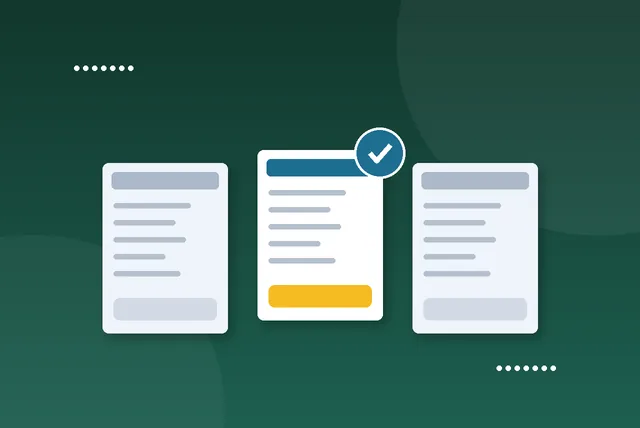
Once the spec is fixed, compare five things on every quote, in this order. The limit of indemnity: £1 million and £2 million are different products. The basis of cover: “any one claim” resets the limit per claim while “aggregate” is one pot for the year; tools cover is “new for old” or wear-and-tear “indemnity”; PI legal costs are “inclusive” or “in addition” — each pair looks identical on a price page and pays out very differently. The excess: a £50 saving bought with a £500 excess is no saving. The conditions: alarm requirements, overnight tools rules, the multi-factor authentication clauses on cyber cover — break one and the policy may not pay. And the exclusions page of the actual wording, which is where the products truly differ. Ten minutes per quote, and suddenly the £14 option can reveal itself as the best value on the screen.
The Three Channels — and Why One Isn’t Enough
Business insurance is sold through three doors, and they show you different shelves. Comparison sites are the obvious start, but many front a single broker’s panel rather than the whole market, so two “different” sites can return the same handful of brands. Direct insurers — some of the biggest names among them — don’t appear on panels at all, so a five-minute quote on one or two insurer websites often surfaces prices the comparison never showed. And a traditional broker earns their fee when your business is anything but vanilla: multiple trades, past claims, unusual premises, high contract values. The practical rule is two channels minimum, three if your business is complicated, all quoted on the identical spec you wrote earlier. Anything less and you’re comparing a corner of the market and calling it shopping around.
The Form Is a Legal Document
Here’s the part no comparison site mentions. When you answer those quote questions, you’re performing a legal duty — the Insurance Act 2015 calls it the duty of fair presentation — to disclose every material fact you know or ought to know about your business: what you actually do, your real turnover, your claims history, your security. Get it deliberately or recklessly wrong and the insurer can void the policy and keep your premium. Get it carelessly wrong and they can reduce a claim in proportion to the premium you underpaid — declare half your turnover, receive half your payout. “Cleaner” when you also do gutter clearing at height isn’t a money-saving trick; it’s the classic story behind what voids business insurance. Answer as if the form will be read aloud at claim time, because it will be.
The Hidden Costs on Every Quote
Two quotes with the same headline can still cost different money. Insurance Premium Tax adds 12% to every UK premium — quotes usually include it, but check whether you’re comparing gross with net. Fees vary by seller: some charge admin fees for setup, adjustments or cancellation, and they live in the small print rather than the price banner. Paying monthly is convenient but usually a credit agreement with interest, adding roughly 5% to 10% over the year — worth paying annually if cash flow allows. And watch what’s bundled: one quote’s price includes legal expenses and cyber, another’s doesn’t, which flatters the thinner one. The honest comparison is total annual cost, paid your way, for the full set of covers on your spec — one number per quote, written side by side.
After You Buy: Renewal Creep and When to Re-Compare
The comparison habit matters most a year later. Insurers price for acquisition, then nudge renewals upward on the assumption you won’t look — a pattern regulators have chased for years and small firms still fund. So diary a reminder three to four weeks before renewal: check the renewal notice against last year’s premium, ask your current insurer to justify any rise, and re-run your spec through one other channel as a sanity check. Most years the answer is “stay” — claims history and continuity have value, especially for claims-made covers like professional indemnity. Every second or third year, the answer is “move”, and it typically funds a nice dinner. One caution: never let the old policy lapse before the new one starts, and if things ever go wrong, remember most small firms can escalate to the Financial Ombudsman Service — and our guide on how to make a business insurance claim covers that road.
The Bottom Line
Jess bought the £14 policy: £2 million of cover for the council spec after a phone call to upgrade it, a £100 excess, no funny conditions, direct from an insurer her comparison site never showed. The £8 policy would have failed her contract, and the £31 one was the same cover wearing a bigger brand. That’s the whole craft of comparing business insurance quotes: fix your spec, force every quote to meet it, compare the five things that matter, tell the truth on the form, and total the real annual cost. Half an hour, once a year. Start with our complete guide to small business insurance if you’re still deciding what belongs on the spec at all.
Frequently Asked Questions
What is the best way to compare business insurance quotes?
Fix your required cover first — limits, excess, conditions — then gather quotes from at least two channels on that identical spec and compare total annual cost, not headline price.
Why are business insurance quotes so different?
Because limits, excesses, conditions and insurer appetite differ. The same risk can be quoted 400% apart, and cheaper quotes often carry thinner cover or stricter terms.
Is it cheaper to buy business insurance through a comparison site?
Sometimes, but many sites front one broker panel. Direct insurers off-panel and brokers can beat them, so check at least two channels before buying.
How much does paying monthly add to business insurance?
Monthly instalments are usually a credit agreement with interest, typically adding around 5% to 10% a year compared with paying annually.
Why does honesty on the quote form matter?
The Insurance Act 2015 requires a fair presentation of your business. Careless or false answers let the insurer reduce or refuse claims, or void the policy entirely.
Disclaimer: This article is general information, not financial advice. Prices, fees and policy terms vary by insurer and change over time. Check the FCA register before buying from any insurer or broker, read the policy wording, and seek advice from an FCA-authorised broker for complex needs.
Sign up to our news alerts
The day's business headlines in your inbox each morning.
Unsubscribe from any email.