Business Insurance for Limited Companies vs Sole Traders
What business insurance a limited company needs vs a sole trader — employers' liability rules, D&O cover, costs, and what changes when you incorporate.

Dan had been a sole trader electrician for six years when his accountant told him it was time to go limited. New company name, new bank account, a proper logo on the van. Three months later a customer’s kitchen flooded after a job, and Dan rang his insurer feeling calm — until they asked which business the policy was in. His cover was written for “Dan Reid, trading as Reid Electrical”. The job had been done by Reid Electrical Ltd. Different legal person, no cover. That phone call is why business insurance for a limited company isn’t just a copy of a sole trader’s — and why the differences are worth twenty minutes of your time.
Limited Company vs Sole Trader Insurance at a Glance
| Cover | Sole trader | Limited company |
|---|---|---|
| Who is liable for claims | You personally — unlimited | The company — your personal assets mostly protected |
| Employers’ liability | Legally required if you employ anyone outside close family | Legally required for any employee — except a sole director owning 50%+ of shares |
| Public liability | Not legal, but clients and councils demand it | Same — often higher limits for bigger contracts |
| Professional indemnity | Contract or regulator driven | Same — tenders often ask for £1m+ |
| Directors & officers (D&O) | Not applicable | Worth having — from about £250 a year |
| Personal accident / income protection | Often essential — no sick pay | Useful, often arranged through the company |
The One Difference That Drives Everything
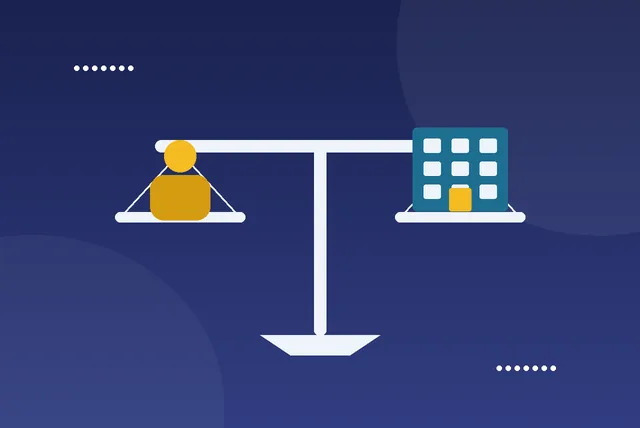
Picture two plumbers doing identical work on the same street. One is a sole trader; the other runs a limited company. If a job goes badly wrong and the claim outruns the insurance, the sole trader’s house, savings and van are on the table, because in law she is the business. The limited company director usually walks away with his personal assets intact, because the company is a separate legal person and the debt belongs to it. That protection is why 2.1 million of the UK’s 5.7 million businesses are companies, according to the Department for Business and Trade’s 2025 figures. But here’s the catch: the “corporate veil” only holds if the company itself is insured. An uninsured company with no money simply goes bust — and directors can still be personally pursued for personal guarantees, health and safety breaches and wrongful trading. Structure changes who is liable; insurance decides whether anyone can actually pay.
Employers’ Liability: The Rule Most Guides Get Wrong
Read a few online guides and you’ll see the claim that sole traders don’t need employers’ liability insurance. That’s simply wrong, and the HSE’s own guidance says so. The law applies to anyone who employs someone under a contract of service — sole trader, partnership or company — with a minimum of £5 million of cover and a fine of up to £2,500 for every day you’re without it. The real difference is in the exemptions. A sole trader whose only employees are close family — spouse, parents, children, siblings — is exempt. A limited company gets no family exemption at all; the only way out is being a company whose sole employee owns at least half the shares. So a husband-and-wife sole trader business may not need it, but incorporate and appoint both as directors and you do, from day one. Our employers’ liability insurance guide goes through every exemption.
Public Liability and PI: Same Price, Different Limits
Here’s where the news is better than people expect. Insurers don’t price public liability or professional indemnity by legal structure; they price by what you do, how much you turn over and whether you’ve claimed before. Dan’s limited company quote for £2 million of public liability was within a few pounds of his old sole trader quote. What does change is how much cover you end up buying. Companies tend to chase bigger contracts, and bigger contracts come with bigger demands: £5 million of public liability for council and construction work, £1 million of professional indemnity in most corporate tenders. Neither policy is required by law for either structure, but regulated professions — solicitors, chartered accountants, architects — need PI whichever way they trade. Our guides on public liability insurance costs and professional indemnity costs show the real numbers by trade.
D&O: The Cover Only a Limited Company Needs
The moment you become a director, you take on legal duties under the Companies Act — and you can be sued personally for how you carry them out. Directors’ and officers’ insurance exists for exactly that. Imagine HMRC opens an investigation into your company’s tax, a former employee claims unfair dismissal against you by name, or the company fails and a creditor alleges you kept trading when you shouldn’t have. D&O pays your legal defence and, where the law allows, any damages — money that would otherwise come from your own pocket, corporate veil or not. Sole traders don’t need it because there’s no director to protect; they’re personally liable anyway. For a small company it’s cheaper than most people assume: policies start from around £250 a year, with small firms under £1 million turnover typically paying £300 to £800. It’s the one line on the list that’s genuinely new when you incorporate.
What Sole Traders Need That Directors Often Skip
Now flip the picture. A sole trader who breaks an arm doesn’t just lose a week’s work; they lose the entire business’s income, because they are the business, and there’s no sick pay to fall back on. That’s why personal accident and income protection cover matter more for sole traders than almost any other policy — three-quarters of UK businesses have no employees at all, which means nobody else to keep the money coming in. Company directors face the same risk but often arrange cover through the company, sometimes as a tax-efficient benefit. Whichever structure you choose, the everyday policies — business contents, tools, cyber, business interruption — work the same way. If you’re a freelancer weighing all this up, our guide to the cheapest business insurance for sole traders is the place to start.
The Day You Incorporate: What Happens to Your Policies
This is the bit that caught Dan. A policy is a contract with a named legal person, and when you incorporate you create a brand-new one. Most sole trader policies don’t automatically convert, so Reid Electrical Ltd was uninsured from the day it started trading, even though Dan was paying premiums every month. The fix is simple but has to happen on time. Tell every insurer before the company starts trading, not after. Get policies reissued in the company’s exact registered name. If you hold professional indemnity, keep run-off cover for your sole trader years, because PI only pays for claims made while a policy is live — and a client can complain years later. Never leave a gap. Once you’ve made the switch, setting up a limited company properly and keeping the paperwork straight is a story for another day; our small business insurance guide covers the policies themselves.
Which Costs More to Insure?
For the same trade and turnover, the core policies cost roughly the same whichever structure you choose. The limited company pays a little more in total — D&O at £250 to £800, possibly employers’ liability sooner because two directors trigger it, and higher limits if it chases larger contracts. The sole trader spends that money instead on personal accident or income protection, which the business can’t survive without. Neither is “cheaper” in any meaningful way; the money just goes to different risks. The real cost is the one nobody budgets for — a policy in the wrong name, a forgotten employers’ liability certificate, a limit too low for the contract you just signed. If you’re still deciding which structure suits you, read our full comparison of sole trader vs limited company before you choose.
The Bottom Line
Dan’s story ended better than it started. His broker reissued every policy in the company’s name the same afternoon, added D&O for £26 a month, and the flooded-kitchen claim was covered under the new public liability policy because, luckily, the job had been booked after the switch. The lesson for anyone comparing business insurance for a limited company against a sole trader is this: the policies look alike, but the legal person holding them, the employers’ liability rules, and the director’s personal exposure all change. Check your certificates today, make sure every one carries the right name, and if you’re about to incorporate, call your insurer before you call Companies House.
Frequently Asked Questions
What insurance does a limited company need by law?
Only employers’ liability insurance is compulsory, and only if the company has employees beyond a sole director owning 50% or more of the shares. Everything else is contract or regulator driven.
Is business insurance cheaper for a sole trader or a limited company?
Core public liability and professional indemnity premiums are priced by trade and turnover, not structure, so they’re similar. Companies usually add D&O cover from around £250 a year.
Do sole traders need employers’ liability insurance?
Yes, if they employ anyone who isn’t close family. The family exemption applies only to sole traders and partnerships, never to limited companies.
Does my sole trader insurance transfer when I incorporate?
Usually not. A policy is issued to a named legal person, and your new company is a different one. Notify insurers before trading and have policies reissued in the company’s name.
Why does a limited company director need D&O insurance?
Because directors can be sued personally for decisions they make, despite limited liability. D&O pays legal defence costs and covered damages for investigations, employee claims and insolvency disputes.
Disclaimer: This article is general information, not legal or financial advice. Insurance requirements depend on your circumstances, contracts and regulator. Check current HSE guidance and speak to an FCA-authorised broker or a solicitor before making decisions about your business structure or cover.
Sign up to our news alerts
The day's business headlines in your inbox each morning.
Unsubscribe from any email.