Online Business Ideas That Actually Work: Nadia’s First Sale Was £14 for Something She Already Owned
Most online businesses that work are not a clever idea nobody has had. They are something you can already do, sold to people who cannot.

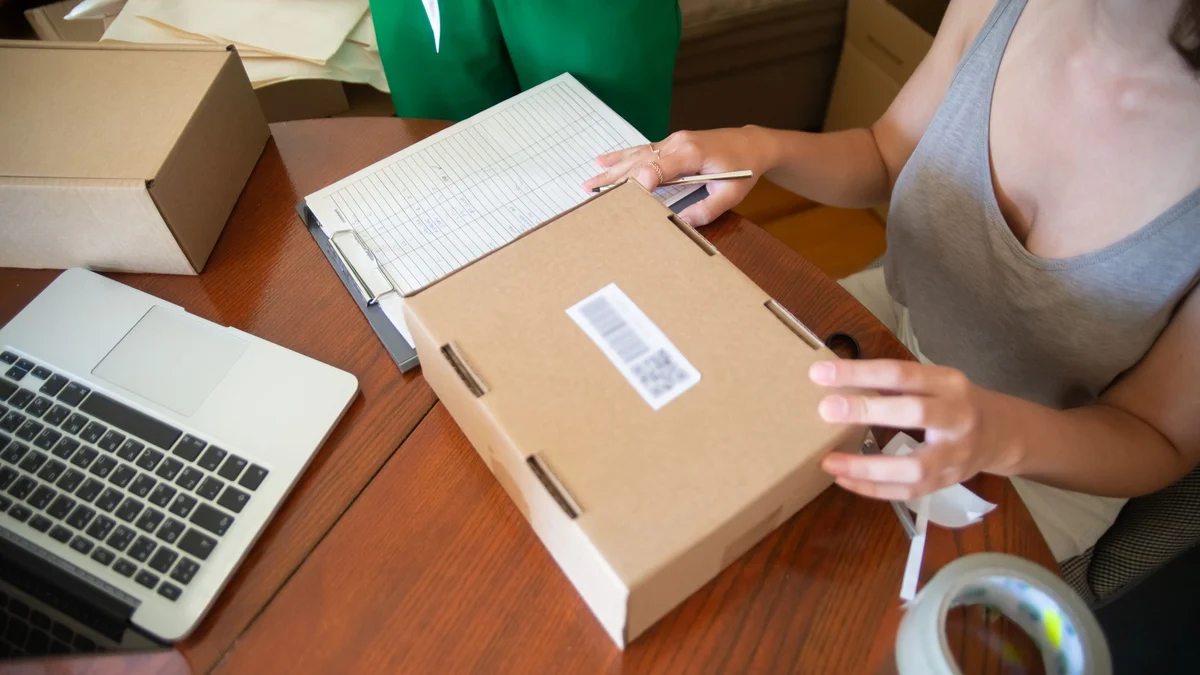
Nadia sold her first thing online on a Sunday night, from her sofa, for £14. It was a spreadsheet template she had built for her own job and had already given away twice. Somebody paid for it, and she sat looking at the notification for a while, because the object she had sold still existed on her laptop.
Two years later that template and eleven others pay more than her old salary. She has never held stock, never rented anything, and never taken a loan.

That is the honest shape of most online businesses that work. Not a clever idea nobody has had, but something you can already do, sold to people who cannot.
Before the list: the two questions that sort every idea
Does it need stock? Anything you buy before you sell can trap money. Anything digital cannot.
Does it stop earning when you stop working? Services pay well and stop the day you do. Products keep selling while you sleep and take much longer to start.
Most people should start on the service side, because it produces money in weeks rather than months, then move earnings into the product side once there is something to fund it with. Nadia did the reverse by accident and it took her nine months to reach a hundred pounds.
Ideas that need a skill, not capital
1. Freelance your current job
Whatever you are paid to do now, somebody smaller needs it a day a week and cannot hire for it. Bookkeeping, payroll, HR admin, copywriting, design, data cleaning. Start-up cost is nothing. The hard part is the first client, not the work.
2. Virtual assistance
Inbox management, scheduling, invoicing, supplier chasing. Unglamorous and consistently in demand, because the people who need it are drowning rather than optimising.
3. Bookkeeping for micro-businesses
A large number of sole traders do their own books badly and know it. With Making Tax Digital for Income Tax beginning to apply to some sole traders from April 2026, the number of people who suddenly need help with digital record-keeping is going up rather than down.
4. Social media management
Not strategy decks — posting, replying and scheduling for businesses that have an account nobody has touched since March.
5. Transcription, captioning and proofreading
Yes, tools now do the first draft. That has moved the work rather than removing it: the demand is for someone who checks and corrects output, which is a different, faster job than typing from scratch.
Ideas that sell something you make once
6. Templates and digital tools
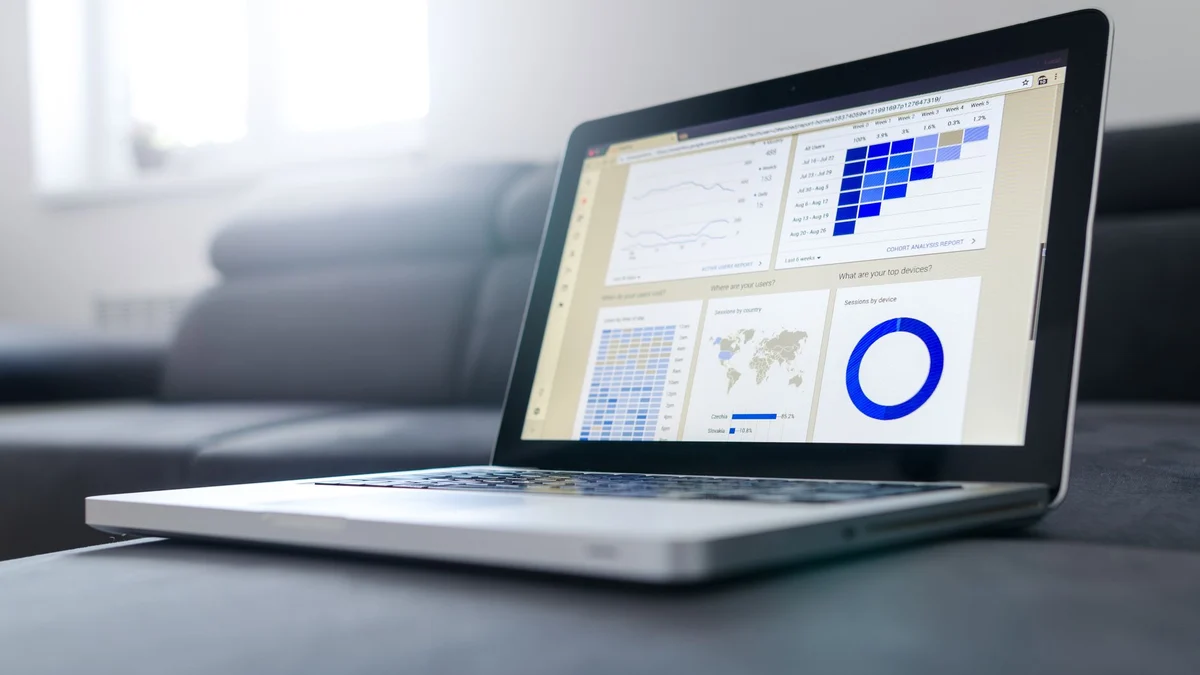
Spreadsheets, contract templates, planners, Notion setups, design assets. Nadia’s route. Build for a problem you have personally had, because you will know whether the solution is any good.
7. Online courses
Record once, sell repeatedly. The mistake is teaching a broad subject; the money is in a narrow one people are stuck on right now.
8. A paid newsletter
Slow, and among the most durable things on this list. Requires that you know something specific and can keep knowing it every week.
9. Print on demand
Designs printed onto products only when ordered, so no stock. Margins are thin and the competition is enormous, which makes it a design business wearing a retail costume.
10. A small paid tool or app
Longest to build, best economics if it works. Only sensible if you can build it yourself or already have the money to pay someone.

Ideas that involve shipping actual objects
11. Handmade goods
Sell through an established marketplace first. It provides the traffic, which is the expensive part, and you keep your own shop for later.
12. Curated resale
Vintage, secondhand, specialist parts. The skill is knowing what a thing is worth, which is not a skill you can buy in.
13. A narrow niche shop
Products for one specific group you belong to. Being inside the group is the advantage, because you know what is missing.

The dropshipping question
It appears on every list of this kind, so it is worth being straight about.
The model works. What does not work is the version being sold to beginners: a generic store, generic products, and paid ads bought before anyone knows their numbers. Margins are thin, delivery is slow, returns are your problem, and you are competing with people who already have data on the same products.
If you are drawn to it, the sane version is one narrow category you understand, a supplier you have actually spoken to, and samples you have held. That is a real business. The other version is an advertising course with a shop attached.
The UK admin, which is genuinely light
You can start trading immediately. You must register for Self Assessment once you earn more than £1,000 in a tax year — that is the trading allowance, and below it there is nothing to do.
Registering is free, and you need to do it within three months of becoming self-employed or there is a £100 penalty. VAT does not arrive until turnover passes £90,000 over twelve months.
Class 2 and Class 4 National Insurance are collected through Self Assessment; check the current thresholds when you register, as they move. And if you are selling to consumers, online sales carry cancellation rights that a physical shop does not — worth reading properly before your first refund request rather than during it.

What Nadia would tell you
Sell the thing you have already made for free. Charge before you feel ready, because the first price is a question rather than a commitment. And do not build an audience in order to sell something — build something small, sell it badly, and let the people who buy it tell you what to build next.
The £14 mattered more than the eleven templates that followed, because it answered the only question that counts: will anyone pay for this at all.
If the online route does not suit you and you would rather work with people in person, our list of service businesses you can start with what you already own covers that side. And if the constraint is money rather than channel, what low investment actually costs in the UK goes through the real numbers.
Frequently asked questions
What online business can I start with no money?
Anything that sells a skill rather than a product — freelancing your current job, virtual assistance, bookkeeping, social media management, proofreading. These need time and a first client rather than capital.
Do I need to register a business to sell online in the UK?
You can start trading straight away. You must register for Self Assessment once you earn over £1,000 in a tax year, and registration is free. Do it within three months of becoming self-employed or there is a £100 penalty.
When do I need to register for VAT?
When turnover exceeds £90,000 over a twelve-month period, though you can register voluntarily before that.
Is dropshipping still worth doing?
The model works; the beginner version usually does not. A narrow category you understand, a supplier you have spoken to and samples you have handled is a real business. A generic store plus paid ads is not.
Should I start with services or products?
Services first for most people. They produce money in weeks rather than months, and the earnings can then fund the slower product side.
What changes for sole traders in April 2026?
Making Tax Digital for Income Tax begins to apply to some sole traders, changing how income information is submitted. Check whether it applies to you based on your income level.
Tax thresholds and registration rules are current as at August 2026 and change. Check GOV.UK for your own circumstances. General information, not tax advice.
Sign up to our news alerts
The day's business headlines in your inbox each morning.
Unsubscribe from any email.