What Low Investment Really Costs in the UK: Yusuf Started for £311, and That Was Not the Hard Part
Registering is free and the first £1,000 is untaxed. Everything after that has a number attached — and the biggest one never appears on the list.


When Yusuf tells people he started his business for under £300, they assume he is rounding down or leaving something out. He is not. He has the spreadsheet — a market stall pitch fee, a float of stock, a card reader, a food hygiene course and a set of printed labels. Three hundred and eleven pounds, of which the stall pitch was the only thing he could not have avoided.
What he leaves out of the £311 is the four months of Saturdays before it broke even, which is the number that actually matters and never appears in articles like this one.

So this is less a list of ideas than an honest account of what “low investment” costs in the UK once you include the things people leave off.
What you can genuinely start for nothing
There are only three things you pay nothing for, and it is worth being precise about them because everything else has a number attached.
Registering as a sole trader is free. No fee, no forms to buy. You can start trading before you register.
The first £1,000 is untaxed and unreported. The trading allowance means if you earn under £1,000 in a tax year you do not have to register for Self Assessment at all. That is a genuine test window — you can find out whether anyone will pay you before you take on any obligation.
You do not need a company. Sole trader is the default and costs nothing. A limited company has a registration fee and ongoing filing requirements, and for most people starting out it solves a problem they do not yet have.
Everything after that costs money.
The costs people leave off the list
Yusuf’s £311 was real. It was also not the whole picture, and the gaps are the same in almost every low-investment business.
- Insurance. Public liability is not legally required, but market organisers, landlords and commercial customers routinely demand it. Budget for it as a certainty rather than an option.
- Licences and registration. Food businesses must register with the local council. Street trading, alcohol, animal boarding and several other activities need permission. These are usually modest and occasionally not, and they are always slower than you expect.
- Getting paid. Card readers cost money and take a percentage. So do marketplaces and payment processors. A few per cent sounds like nothing until you see it against a thin margin.
- Your own time. The largest cost by far, and the one nobody counts. Four months of Saturdays at even minimum wage is more than £311.
- The float. Money tied up in stock you have not sold yet. It is not spent, but you cannot use it either.
Genuinely low-capital ideas, with the real barrier named
Market and event trading
Yusuf’s route. A pitch is cheap by the day, which makes it the best demand test in existence — you find out in one Saturday what a lease would take a year to tell you. Real barrier: street trading consent, and food registration if you are selling food.
Home food production
Baking, preserves, meal prep. Kitchen is already there, equipment mostly is. Real barrier: you must register the food business with your council, and your kitchen becomes subject to inspection. Free to register, and not optional.

Repairs
Phones, bikes, small appliances, furniture. Almost no stock — you hold parts against jobs you already have. Real barrier: the skill is the entire business, and it takes real time to acquire.

Delivery and courier work
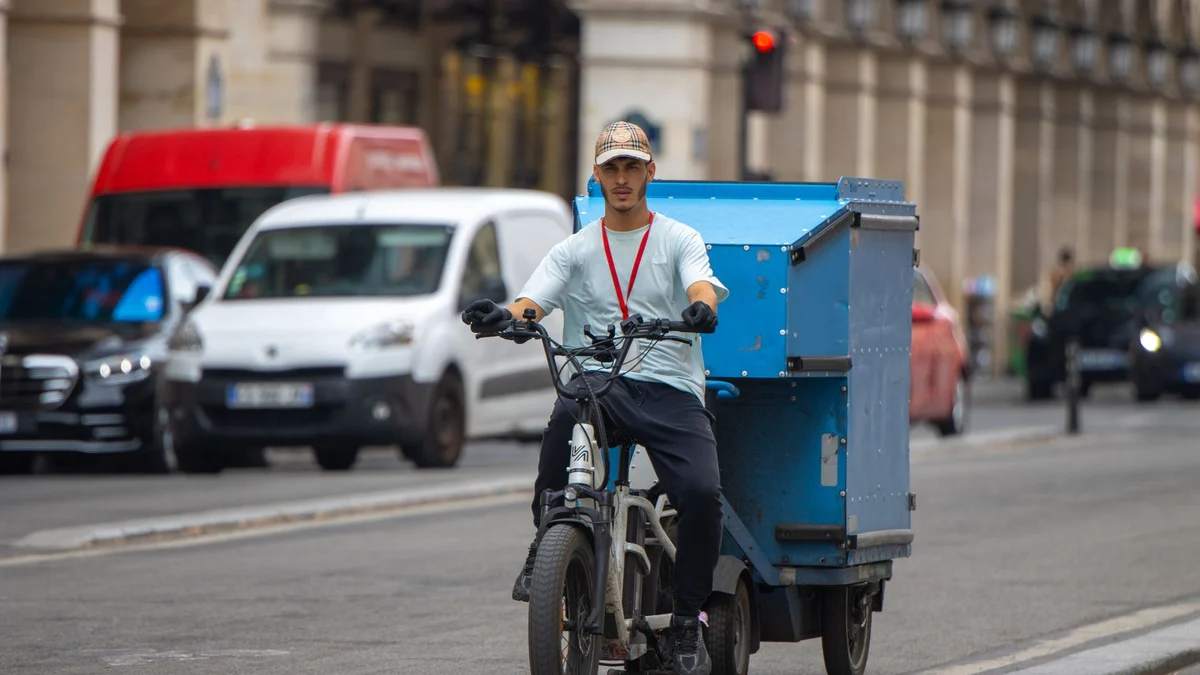
Bike or existing vehicle, immediate income, no customer acquisition. Real barrier: it is a job with self-employed tax attached rather than a business that grows — useful for funding something else, and worth being clear-eyed about.
Resale and reselling
Buying underpriced things and selling them properly. Real barrier: knowing what things are worth, which cannot be bought and takes months to learn on small losses.
The UK rules, in the order they arrive
Under £1,000 in a tax year. Nothing to do. Trade and see what happens.
Over £1,000. Register for Self Assessment. It is free, and it must happen within three months of becoming self-employed or there is a £100 penalty. Class 2 and Class 4 National Insurance are collected through Self Assessment; the thresholds move, so check them when you register.
From April 2026. Making Tax Digital for Income Tax starts applying to some sole traders, changing how income is reported. Whether it affects you depends on your income, and it is worth finding out early rather than in January.
Over £90,000 turnover in twelve months. VAT registration. A long way off for most people on this page, but the threshold is the number to know.
Anything involving food, animals, alcohol, street trading or children. Your local council, before you start.
The question worth asking instead
“How little can I start with” is the wrong question, and it is the one every list answers. The better one is how long can you afford to not break even.
A £300 business that takes four months to turn a profit needs four months of runway, and that runway is the real investment. A £2,000 business that profits in week three may be considerably easier to survive.
Yusuf could do it because he had a job on weekdays and only spent Saturdays. That, not the £311, is why the business exists. If you cannot cover your living costs while the thing gets going, the start-up cost is the least of what you need to plan.
Set a date and a number before you begin — the point at which you decide whether it is working. Yusuf’s was six months and one profitable month. He hit it with two weeks to spare, and says he would have stopped if he had not.
If you want the fuller lists to choose from, we have gone through online business ideas and service businesses you can start with what you already own. Market organisers and commercial customers will ask for insurance — what the cheapest cover actually costs a sole trader has the real numbers. And if the plan needs more capital than you have, UK business growth funding covers the routes worth knowing, including Start Up Loans.
Frequently asked questions
How much does it cost to start a business in the UK?
Registering as a sole trader is free, and you can trade before registering. The real costs are insurance, any licences your activity needs, payment processing, stock, and the months before you break even.
Do I need to register if I only earn a small amount?
Not below £1,000 in a tax year — that is the trading allowance. Above it, register for Self Assessment within three months of becoming self-employed or there is a £100 penalty.
What licences might I need?
It depends on the activity. Food businesses must register with the local council, and street trading, alcohol, animal boarding and childcare all have their own requirements. Check with your council before you start.
Should I set up a limited company?
Usually not at the start. Sole trader is free and has no filing requirements. A company has a registration fee and ongoing obligations, and mostly solves problems that arrive later.
What is the biggest hidden cost?
The time before break-even. A business that costs £300 to start and takes four months to turn a profit needs four months of living costs behind it, and that is the real investment.
What changes for sole traders in April 2026?
Making Tax Digital for Income Tax begins to apply to some sole traders, changing how income information is submitted. Whether it applies depends on your income level.
Thresholds and rules are current as at August 2026 and change. Licensing varies by local authority and across the UK. Check GOV.UK and your council. General information, not tax advice.
Sign up to our news alerts
The day's business headlines in your inbox each morning.
Unsubscribe from any email.