The Role of a Business Table in Modern Workspaces
Discover how the right business table can boost productivity, support collaboration, and reflect your company culture in any professional setting.
 Jevon carter
Modern offices are undergoing rapid transformation. According to a 2019 survey among Singapore working professionals by Statista, 55 percent of respondents stated that a flexible work environment was important because it gave them a better work-life balance, while 6 percent said it was important because it allowed them to have more family time. One silent hero in shaping these evolving workspaces is the business table. Whether it’s in a corporate boardroom, a co-working space, or a startup’s tiny meeting nook, the right table significantly impacts communication, decision-making, and overall workflow. In this article, we are going to learn about the business table and how it influences today’s working environments.
Understanding What a Business Table Really Is

Image source: pexels.com
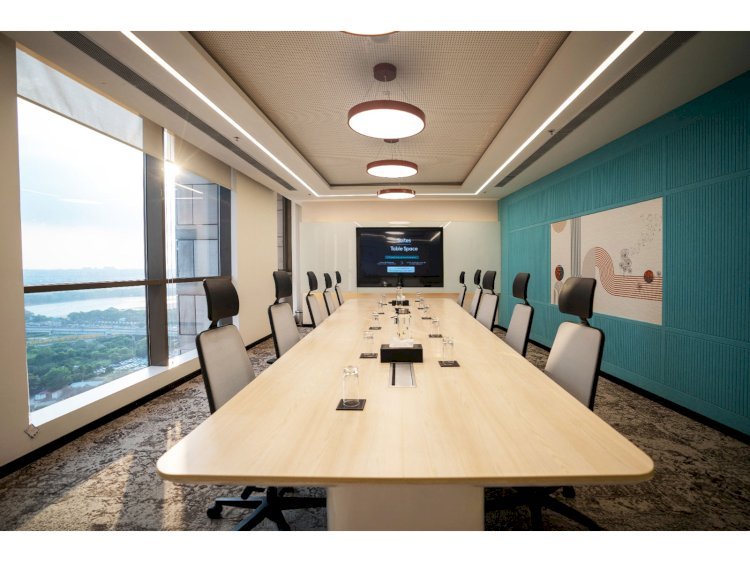
A business table is more than just a piece of furniture. It’s where people share ideas, plan strategies, and make deals. You’ll see different styles—meeting tables, executive desks, team workstations, or modular conference-room tables. Unlike regular home tables, business tables are built for office use. They often include power outlets, height adjustments, ways to hide cables, and supports for good posture.
The look and size of a business table depend on the company. A tech startup might choose a round, open table to encourage teamwork. A law firm might pick a long, rectangular wood table for formal meetings. No matter the style, the goal is the same: to create a useful, efficient, and professional workspace.

Image source: pexels.com
You might think that choosing a table is just about appearance or matching it with office décor. But the right business table influences workflow in several ways. A clutter-free, spacious table can boost focus and reduce distractions. Ergonomically designed tables also promote good posture, reducing fatigue during long meetings or work hours.
Moreover, a well-placed table encourages better team interaction. According to a Harvard Business Review study, office design affects productivity by up to 20%, and a strategically placed business table fosters collaboration and comfort. It’s not just a place to sit—it’s a space that shapes behavior, mood, and communication.
Types of Business Tables Commonly Used
Here’s a simple, engaging rundown of the most popular business tables you’ll find in American offices.
-
Conference Tables
Big and rectangular—perfect for boardroom meetings where teams come together to plan and decide. -
Round Tables
Everyone sits at the same distance, so it feels fair and invites open, friendly conversation. -
Modular Tables
Like building blocks—you can move, split, or combine them to fit small huddles or large workshops. -
Standing Tables
Tall surfaces designed for quick, energizing stand-up meetings that keep everyone on their toes. -
Work Benches
Long, shared tables favored by startups and creative teams—ideal for collaboration and idea-sharing. -
Executive Desks
Spacious, elegant desks with wood finishes—made for private offices where style and status matter.
Pick the style that matches your team’s vibe and daily needs—whether you’re brainstorming, presenting, or just powering through your to-do list.
How Business Tables Influence Team Collaboration
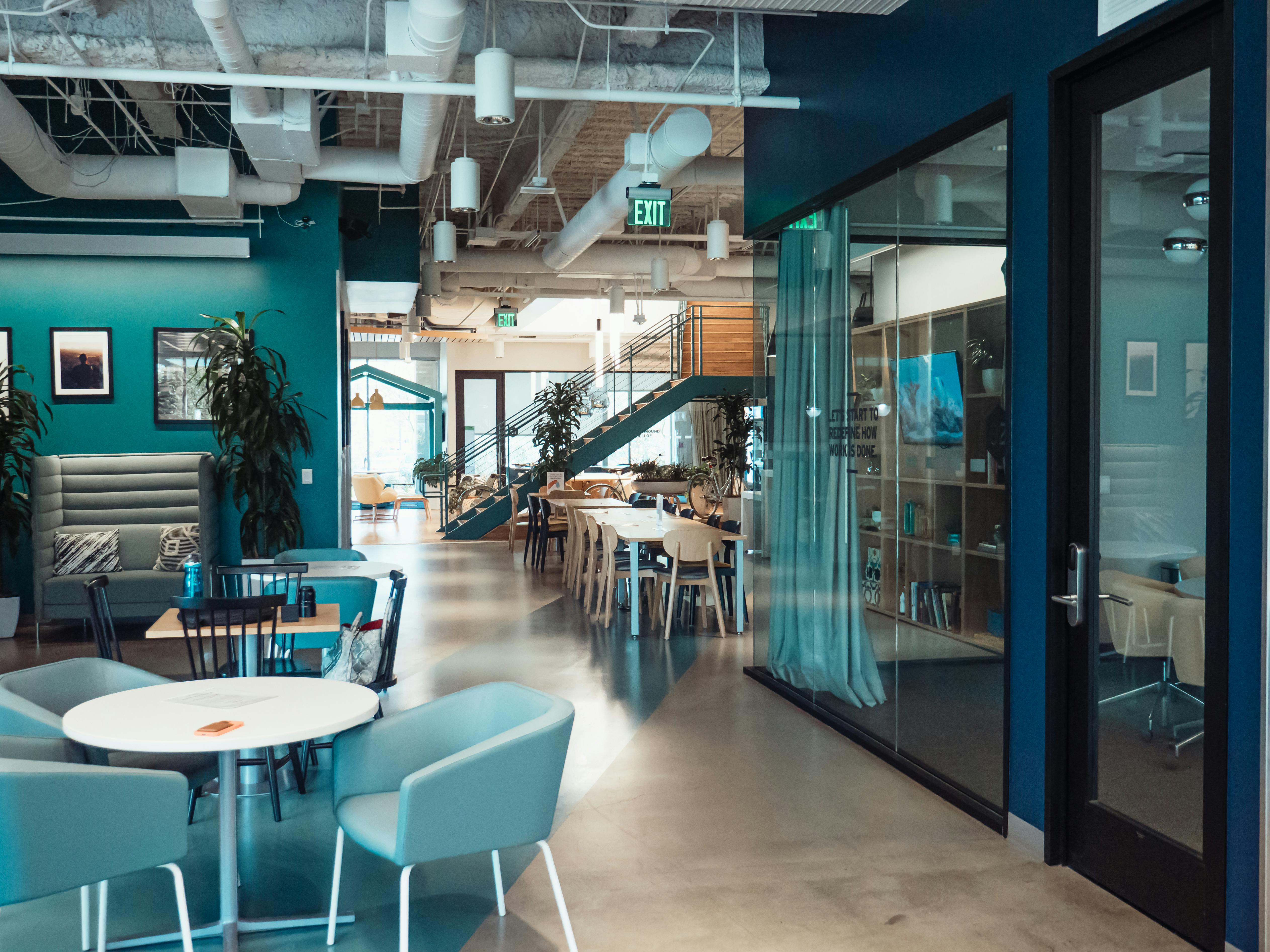
Image source: pexels.com
Design speaks louder than words. The kind of business table your company uses sends a strong message about its culture and values. A startup that uses bright, funky-colored tables is communicating creativity and informality. In contrast, a company that opts for dark mahogany conference tables with chrome accents signals tradition, seriousness, and authority.
Modern companies in the U.S. are also exploring sustainable and recycled materials in their business table designs, showing commitment to environmental responsibility. In fact, a 2023 Green Business Bureau study found that 49% of employees feel more connected to companies that prioritize eco-friendly office design—including furniture.
From minimalist Scandinavian styles to heavy executive furnishings, business tables act as an extension of your company’s brand image and values.
Key Features to Look for in a Good Business Table

Image source: pexels.com
When investing in a business table, it's important to look beyond aesthetics. Here are some essential features to prioritize:
-
Durability: Choose tables made from strong materials like hardwood, metal, or high-quality laminate.
-
Ergonomics: Make sure the table supports comfortable posture and easy movement.
-
Power Access: Integrated charging ports, USB slots, and cable organizers are must-haves in the digital era.
-
Mobility: For flexible setups, consider tables with wheels or foldable legs.
-
Size & Shape: Must match room size and seating needs—don’t go too big or too small.
These features help ensure your business table lasts long and serves the intended purpose efficiently.
The Cost of Business Tables: Budget vs. Premium Options

Image source: pexels.com
The price of a business table can vary significantly depending on the size, material, and functionality. Here’s a general breakdown:
-
Basic tables (melamine or laminate): $100 to $500 per unit (according to Office Depot).
-
Mid-range options (wood veneer, modular design): $500 to $1500.
-
Premium executive or tech-integrated tables: $2000 to $8000+.
It’s crucial to balance cost with quality. Cheaper tables may wear out quickly or lack essential features. However, premium business tables are long-term investments that offer comfort, durability, and a professional image that could impress clients and stakeholders.
Space Planning Around the Business Table

Image source: pexels.com
A business table is not an isolated object—it exists within a larger office ecosystem. Therefore, space planning is critical. You should consider:
-
Clear walking space: Ensure at least 3 feet around the table for free movement.
-
Lighting: Position tables near natural light or under sufficient artificial lighting.
-
Chair compatibility: Make sure chairs slide in and out easily without bumping into walls or other furniture.
-
Wall decor or soundproofing: For conference rooms, think about adding acoustic panels and minimalistic art.
If your table is in a shared space like a breakroom or common area, its location should support interaction without being noisy or distracting. Good space planning ensures that the business table adds to the efficiency rather than becoming an obstacle.
Trends in Business Table Design for 2025
As the workplace continues to evolve, so does office furniture. Here are some trends shaping the future of the business table in 2025 and beyond:
-
Smart Tables: Tables embedded with sensors, wireless chargers, and digital assistants are entering the market.
-
Adjustable Height Tables: These allow users to shift between sitting and standing, improving health.
-
Biophilic Design: Use of natural wood and integration of plant holders into table design.
-
Collaborative Zones: Tables designed for modular setups that support hybrid work models.
-
Touchscreen Tables: Especially used in tech firms and design agencies for interactive presentations.
These innovations not only support modern work styles but also make offices more attractive to both clients and employees. By staying updated with trends, companies can make smarter furniture decisions and stay competitive.
How to Maintain and Care for Your Business Table

Image source: pexels.com
Buying the right business table is only half the job—keeping it in good condition ensures it lasts longer and retains its professional look. Here are basic maintenance tips:
-
Clean regularly: Use a microfiber cloth and non-abrasive cleaners. For wooden surfaces, opt for wood polish.
-
Avoid heavy impacts: Prevent damage by using mats or coasters under equipment and drinks.
-
Check for wear: Tighten bolts or screws periodically, especially on mobile or modular tables.
-
Protect against spills: If your table has built-in electronics, install cable covers or water-resistant pads.
-
Avoid direct sunlight: Prolonged sun exposure can discolor the surface, especially for wooden tables.
Maintaining your business table improves its appearance, function, and value over time.
Choosing the Best Business Table Vendor

Image source: .pexels.com
When purchasing a business table, choosing the right vendor matters. Trusted office furniture vendors in the U.S. include:
-
Steelcase
-
Herman Miller
-
Knoll
-
Office Depot
-
National Business Furniture
Always check for warranty policies, delivery options, and customer reviews. Some vendors offer bulk purchase discounts and professional installation. If you're furnishing a large office, consider working with a consultant to help choose the right business table based on your layout, employee count, and workflow.
Conclusion
The business table plays a pivotal role in shaping the way teams communicate, work, and make decisions. Far from being a passive object, it anchors the professional space, supports productivity, and reflects company culture. Whether you're starting a new business, upgrading your office, or redesigning your workspace to be more efficient, investing in the right business table is essential for long-term success.